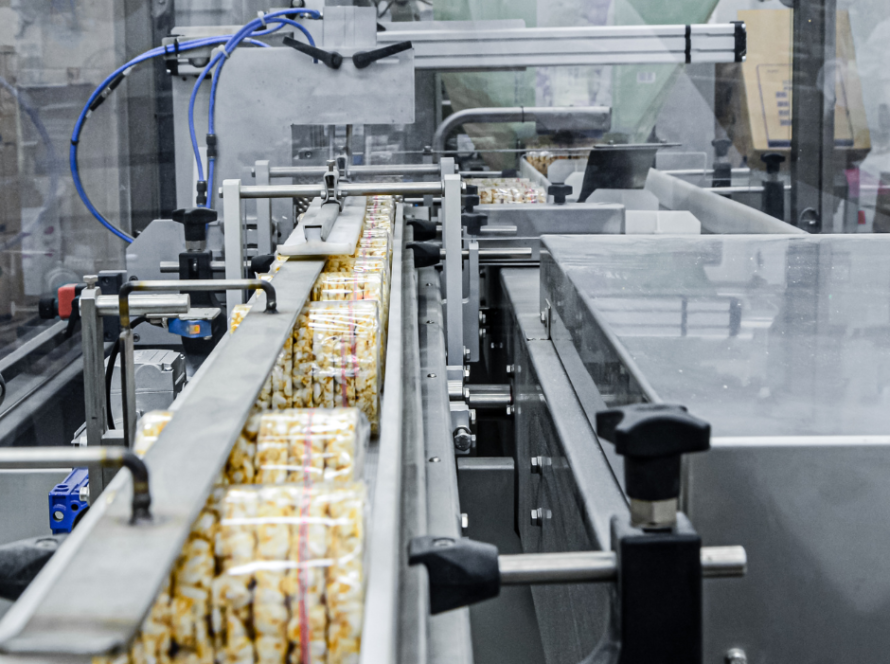
The packaging industry is the largest consumer of plastics worldwide. The global consumption of plastic for packaging is expected to rise to 381 million metric tons by 2060. In general, it is expected that by 2060, more than 30% of the total plastics produced in the world will be used for packaging. Plastic pollution has become a serious concern globally, and the talks of replacement have intensified. Many advancements have happened in the packaging space. However, the road to a complete swap is long and unseen.
Glass, liquid wood, and milk protein are some of the popular substitutes for conventional plastics that are currently being researched and used. Liquid wood is a bioplastic derived from lignin, a renewable resource that is a byproduct of paper processing. Currently, the adoption of liquid wood is more prominent in Europe. There are only light traces of its usage as a replacement in North America and Asia Pacific.
On the other hand, the use of milk protein is not as old as glass, having been around since 2016 when the USDA developed biodegradable food packaging films from milk proteins, specifically casein. Casein, a protein found in milk, accounts for approximately 80% of the protein content of cow milk. Many companies are adopting this source as a replacement for plastic packaging. For instance, a company called Lactips has developed an edible packaging film using casein and shed light on its potential in the food and beverage packaging sector.
Polycaprolactone (PCL) polyesters and Polyhydroxyalkanoate (PHA) polyesters, which are made from renewable resources like sugarcane and corn starch, are also replacing plastics in the industry. These biodegradable plastics are primarily utilized in agricultural films and biomedical devices.
Earlier, multilayer plastics were commonly used in packaging. However, single-use plastics have become more popular recently. Compared to multilayer plastics, they are easier to make and marginally easier to recycle, but they are still not sustainable. Many governments have been banning or phasing out the use of single-use plastics in categories like cutlery, straws, bags, etc.
Are these alternatives sustainable?
Now the industry is aggressively pushing the development of alternatives to traditional plastics. But the question arises: are the alternatives really sustainable? Some researchers, including the University of Sheffield, in their research, which stated that the use of other materials instead of plastics could in fact lead to more emissions, found out that in 15 of the 16 cases, the production of the plastic item emitted fewer greenhouse gases than the production using other materials such as glass or metal, sometimes up to 90% less.
On the other hand, glass, which is often seen as more eco-friendly, is heavy and requires more energy for production and transport. It also has a higher carbon footprint. The emissions for glass bottles are significantly higher (20.0 kgCO2eq) compared to PET bottles (1.7 kgCO2eq) and aluminum cans (1.1 kgCO2eq), which means that glass bottles have a much greater environmental impact when disposed of in a landfill.
While bioplastics are better in terms of reducing climate change and fossil fuel use, they have other environmental downsides. For example, bioplastics are made from renewable sources, which require large amounts of land, water, and fertilizers, potentially leading to deforestation and biodiversity loss.
Paper bags are not as bad when they are littered. However, the production of paper bags is much more damaging to the environment than plastic bags. Research by Environmental Paper Network (EPN) and the United Nations Environment Programme (UNEP) 2020 has revealed that the process of making paper bags emits high amount of carbon because the process is energy intensive.
Global emissions caused by the plastics industry are at their peak, and simply replacing plastic with other materials (like paper or bioplastics) can sometimes create even bigger environmental problems, such as higher carbon emissions or energy use. The development of systems that encourage the reuse of plastic products can significantly cut down on waste. For example, promoting the use of refillable containers and improving recycling infrastructure helps keep plastics in circulation and reduces the need for new production, which is resource-intensive. While the industry still waits on a reliable alternative to plastic, recycling and reusing plastic products and packaging might be the only viable alternative as of now.