Package protection is not limited to the containment and
preservation of the product anymore. Modern package design and technology have
made a lot of progress in relation to product preservation, reduction of waste,
sustainability and convenience for the consumers.
With the development of industries, packaging should
accomplish more functions that include an extension of product’s shelf life,
handling of complicated logistics processes, reduction of environmental impacts
and meeting the increasing requirements of consumers in terms of convenience
and sustainability.
Specialty films are at the forefront of these changes.
Modern packaging is facing a lot of challenges and specialty
films are used to resolve them. From the provision of better barriers,
prolonging of product’s freshness to making packaging structures recyclable and
intelligent, specialty films become the integral part of packaging design.
The difference between conventional films and specialty
films is that specialty films are designed to have certain features, including
moisture, oxygen, puncture and fog resistances, saleability and durability.
This makes them popular among different types of packaging, especially food,
pharmaceutical, personal care and consumer goods packaging.
Packaging Requirements Are Changing
Today’s packaging requirements are very different compared
to those ten years ago.
Producers have to find ways to minimize packaging waste,
increase sustainability, optimize transportation, and ensure product quality
through the supply chain. On the other hand, the consumer is interested in
packaging that is light, convenient, attractive, and sustainable.
Such evolving consumer needs have led to the creation of
packaging materials capable of serving several purposes at once.
For instance, food producers want their packaging to offer
protection against oxygen and humidity along with keeping products visible.
Personal care companies are seeking flexible packaging solutions minimizing
material use without impairing performance. Pharmaceutical companies need
sophisticated protective packaging materials to keep their products stable and
safe during transportation.
Consequently, specialty films became crucial materials for
innovations in packaging design.
Extending Shelf Life with High-Barrier Films
One of the most important applications of specialty films is
high-barrier packaging.
Oxygen and moisture are two of the leading causes of food
spoilage. Exposure to oxygen can cause oxidation, flavor deterioration,
discoloration, and nutritional loss, while moisture can affect product texture
and stability.
High-barrier films help minimize the transmission of oxygen,
water vapor, and aromas, allowing products to remain fresh for longer periods.
These films are commonly used in:
- Processed
meats - Cheese
packaging - Coffee
packaging - Snack
foods - Ready-to-eat
meals
Materials such as EVOH, polyamide, metallized films, and
advanced coatings are increasingly being incorporated into multilayer
structures to improve packaging performance and reduce food waste.
Recyclable Packaging Is Gaining Momentum
Sustainability has become one of the strongest drivers of
packaging innovation.
Traditional flexible packaging often combines multiple
materials to achieve performance requirements. While these structures provide
excellent barrier properties, they can be difficult to recycle.
To address this challenge, packaging manufacturers are
developing mono-material film structures that offer both functionality and
improved recyclability.
Polyethylene- and polypropylene-based films are increasingly
being used in applications such as:
- Stand-up
pouches - Detergent
packaging - Personal
care products - Dry
food packaging
The objective is to maintain barrier performance and
mechanical strength while simplifying recycling processes and supporting
circular economy goals.
Improving Product Visibility Through Anti-Fog
Technologies
Product appearance is a major factor in consumer purchasing
decisions.
When packaging refrigerated foods and fresh produce,
condensation can occur inside the pack and limit visibility. The fogging effect
makes the products look unattractive to the consumers.
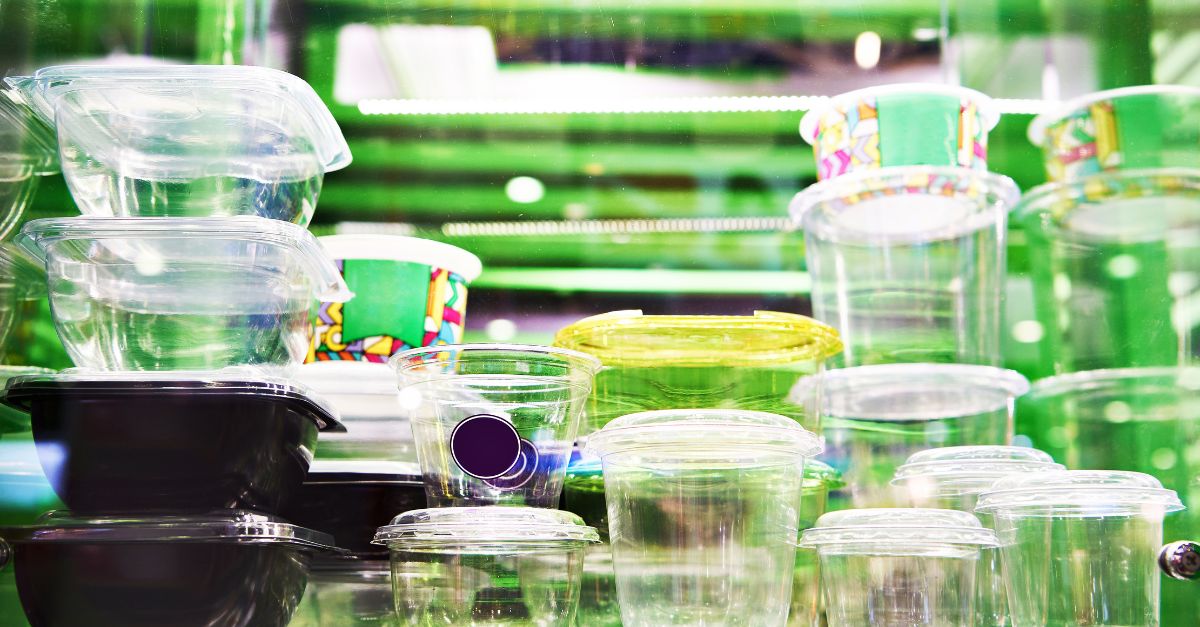
The anti-fog films ensure that water droplets do not form on
the packaging film surface. Moisture is evenly distributed on the film surface
to ensure transparency.
Anti-fog films are commonly used in:
• Fresh
vegetables
• Salad
packs
• Fruit
packs
• Refrigerated
foods
Even though the technology is fairly simple, it makes a lot
of difference when it comes to presentation.
Retort Films Supporting Convenience Foods
The demand for ready-to-eat meals and shelf-stable foods
continues to grow worldwide.
Retort specialty films are designed to withstand high
temperatures and sterilization processes while maintaining package integrity.
These films provide:
- Thermal
resistance - Strong
seals - Barrier
protection - Mechanical
durability
Advanced retort packaging has enabled manufacturers to
replace heavier packaging formats such as metal cans in several applications,
improving transportation efficiency and reducing material consumption.
Smart Packaging Is Emerging
Packaging is gradually evolving beyond protection.
Smart packaging technologies incorporate features that can
monitor product quality and supply chain conditions.
Examples include:
- Freshness
indicators - Temperature
monitoring systems - Spoilage
detection technologies - Traceability
solutions
Although still an emerging segment, smart packaging is
attracting growing interest in food, pharmaceutical, and healthcare industries.
The Rise of Bio-Based Films
Environmental concerns are encouraging manufacturers to
explore renewable materials.
Bio-based films made from materials such as PLA, PHA,
starch, and cellulose are receiving increasing attention.
While challenges related to cost and performance remain,
ongoing innovation is improving the commercial viability of these materials.
Many companies are now exploring hybrid solutions that combine renewable
materials with advanced barrier technologies.
Looking Ahead
These types of films are rapidly turning into one of the
most crucial enabling technologies in packaging industry.
Whether it is about increasing shelf-life, saving foods from
spoiling or sustainability and consumer convenience, specialty films are
revolutionizing the way of packaging.
The future of packaging lies in finding a solution that
would satisfy all these criteria of performance, sustainability, efficiency and
functionality.
And specialty films seem to play an integral role in this
future.
With
the changing needs of packaging, the companies that succeed in material
innovation and sustainability would be the winners of the coming era of
packaging.