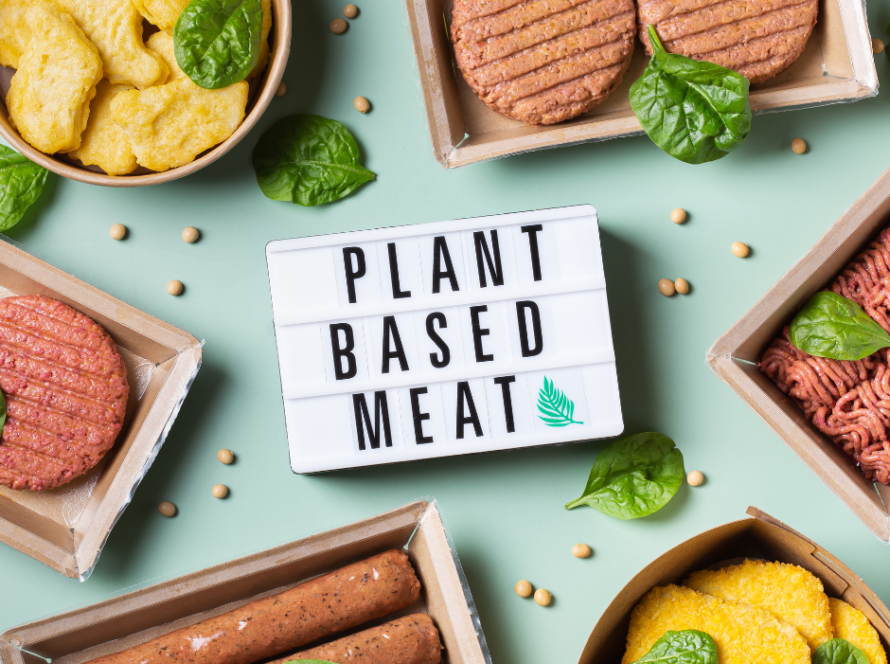
GFI reports that last year the sales of plant-based proteins were not as high as those of their animal counterparts. This was mostly caused by the inflation that hit the world’s largest economies, including the US and the UK, during the past two years. Sales reached a peak of $61 million in 2022, after a major dip in 2020, but then again declined in 2023 and 2024. With US state legislatures proposing the sale of lab-grown meat, consumers facing inflation, and uncertainty looming over the segment, the parameters for how businesses use and indulge in industry partnerships are shifting.
The majority of businesses, both new and old, have begun to diversify their plant-based operations in order to adjust to changing market conditions. Because of this, a lot of acquisitions are happening.
Wicked Kitchen (US) has been acquired by Ahimsa Companies (US), along with its affiliated brands Good Catch and Current Foods. This action is part of a broader attempt to bring the plant-based industry together. Additionally, Ahimsa Companies recently acquired Simulate (US), a renowned manufacturer of plant-based nuggets sold under the NUGGS brand. Another example along the same line is the German investment firm Comitis Capital’s purchase of The Tofoo Co (UK). With more than 60% of the tofu market, the former is reportedly the second-largest meatless brand in the UK.
Similarly, VFC, or the Vegan Food Group (UK), has been acquiring multiple companies in the plant-based segment. They acquired TOFUTOWN (Germany), Meatless Farms (UK), and Clive’s Purely Plants (UK) as part of their European expansion strategy.
Refresco (Netherlands), a beverage solutions company, has agreed to acquire Frías Nutrición, a private-label plant-based milk manufacturer in Spain. McCain, the world’s largest frozen potato product maker, has acquired Strong Roots (Ireland), an Ireland-based plant-based frozen food brand. Both Refresco and McCain are key players in their respective segments, and they are trying to make their portfolio sustainable and wide for every kind of consumer.
Financial difficulties have been prominent in the plant-based sector. Many companies like Hooray Foods (US) and Nowadays (US) closed their operations due to sales dips, reduced demands, and other reasons. However, some companies saw a better light at the end of the day, like Meatless Farms, which was acquired by VFC Group. Also, the company Aussie Plant-Based Co went into liquidation, and this led to the acquisition of the company by Smart Foods, a company based in Australia.
The plant-based food industry’s continuous acquisition trend demonstrates a calculated reaction to market difficulties. Businesses can improve their competitiveness, optimize resources, and solidify their market position with this consolidation strategy. It can allow them to immediately access established customer bases, distribution networks, and tested products. Adapting these strategies could position companies for long-term success in the competitive and evolving landscape of the plant-based food market.