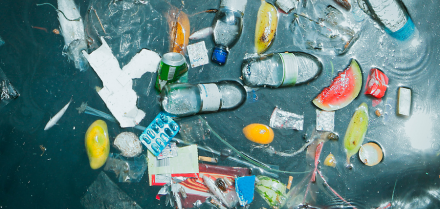
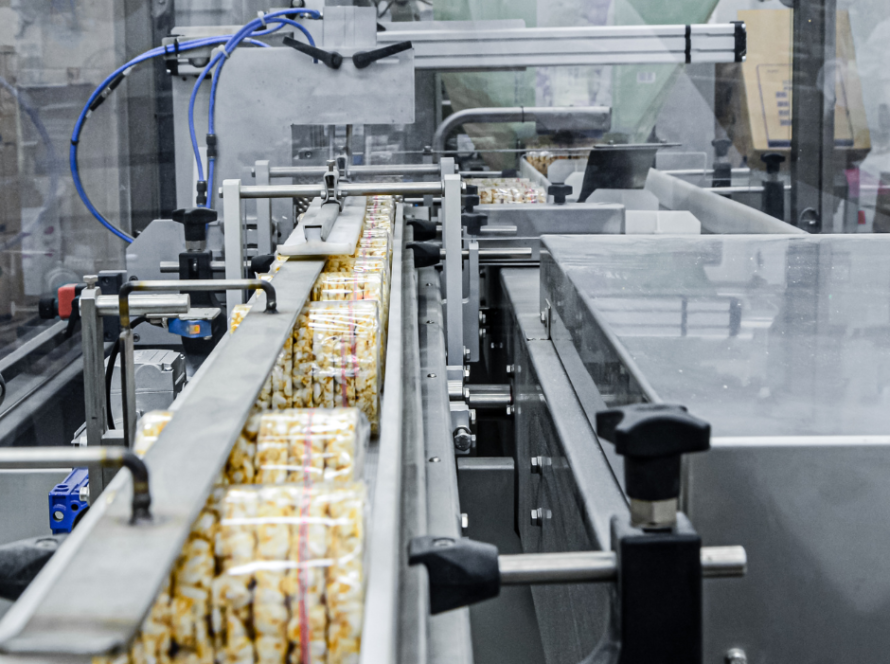
From waste to worth Polyolefins, particularly polyethylene (PE) and polypropylene (PP), make up more than half of all global plastic production, yet they are notoriously hard to recycle effectively. Traditional mechanical recycling usually results in downcycled products with inferior performance, while chemical recycling efforts have largely focused on breaking polymers back into monomers or fuels, usually with notable energy inputs and limited material recovery. In this frame, chemical upcycling emerges as a transformative concept that not only aims to divert plastic waste from landfills and incinerators but also converts it into functionally superior materials with added commercial value.
Usually, mechanical recycling degrades material quality over time and chemical recycling reverts plastics to basic feedstocks. But chemical upcycling modifies the polymer’s structure to generate higher-value products. This approach entails advanced chemical strategies such as hydrogenolysis, oxidation, tandem catalysis, and functionalisation techniques that allow polyolefins to be turned into performance materials like thermoplastic polyurethanes, speciality waxes, as well as even high-performance lubricants. The method answers the core challenge of polyolefin recycling, and that is their inert, saturated hydrocarbon backbone, which resists breakdown and functional modification under conventional conditions.
Industry case studies: 2024–2025 developments in polyolefin upcycling
Recent years have seen a flurry of activity in the chemical upcycling landscape, particularly among startups and industrial players pushing the boundaries of polyolefin valorisation. One standout is Novoloop, a US-headquartered company with operations in India, which has successfully shown the conversion of waste polyethylene into thermoplastic polyurethane (TPU) using its proprietary ATOD technology. The process entails controlled oxidative breakdown followed by coupling with isocyanates to create high-performance TPUs used in footwear, electronics, and automotive parts. In 2024, Novoloop started its pilot plant in India. It was in collaboration with Aether Industries, hinting at a crucial step toward commercial-scale production.
Another key player is Aeternal Upcycling. It is a US-based startup developing catalytic hydrogenolysis processes to turn mixed polyolefins, especially PE and PP, into functional lubricants and waxes. The company was founded by chemists at Argonne National Laboratory and is advancing rapidly with support from the U.S. Department of Energy. Their process utilises platinum-based catalysts to fragment polyolefins into uniform, low-molecular-weight compounds suitable for high-value applications. Their work exemplifies how selective catalysis can effectively upgrade otherwise low-value plastic waste into usable industrial products.
While many chemical recycling efforts fall under the broader umbrella of “advanced recycling,” they usually focus on depolymerising plastics into monomers or fuel precursors. LyondellBasell’s MoReTec plant in Germany serves as an example of this distinction. Although it processes polyolefin waste, its focus remains on producing pyrolysis oil and gas as feedstock for new plastic manufacturing through thermal depolymerisation. This contrasts with chemical upcycling. This is because it enhances the intrinsic value of the resulting materials by creating new classes of high-performance products from the original waste.
Technical and economic considerations
Despite its promise, chemical upcycling of polyolefins is still navigating complex technical and economic terrain. One of the key challenges is feedstock variability. Post-consumer polyolefin waste streams are usually contaminated with food residue, dyes, additives, and several polymers. These can notably create trouble in catalytic efficiency and product consistency. Effective pre-sorting and purification technologies are vital to make sure consistent input quality. But these add layers of cost and operational hurdles.
Catalyst cost and stability are also key points to look at. Many of the reactions involved, such as hydrogenolysis and selective oxidation, depend on expensive transition metal catalysts like platinum, ruthenium, or cobalt. These catalysts must deliver high activity and selectivity as well as be regenerable over multiple cycles to ensure economic viability. Research is ongoing into more earth-abundant alternatives, but most are not yet ready for full-scale commercial deployment.
Energy use poses another barrier. While chemical upcycling usually operates at lower temperatures than pyrolysis-based recycling, it still demands significant thermal and/or chemical inputs. Life cycle assessments (LCAs) are crucial to demonstrate net environmental benefits, especially when upcycled products are intended to replace petrochemical-based materials. Without right LCA profiles, scaling these technologies will face both regulatory and market resistance.
Also, while many upcycling technologies are about to come, it is important to note that some companies have already achieved commercial-scale operations. GreenMantra, for example, has successfully commercialised its upcycling process and produces speciality waxes and polymers for industrial applications. But the broader field still faces hurdles in bridging the gap from pilot validation to large-scale deployment. This transition needs not only technological robustness but also integration into existing supply chains, customer acceptance, and long-term investment.
Challenges in scaling chemical upcycling
Scaling chemical upcycling of polyolefins is fraught with practical and systemic challenges that extend beyond the lab. One notable hurdle is the lack of standardisation in feedstock composition. Municipal and industrial waste streams differ by region as well as seasonally, making it hard to maintain consistent input for sensitive catalytic processes. This variability impacts yield, selectivity, and the physical properties of the final product.
Infrastructure limitations further complicate matters. Most current waste management systems are optimised for either landfill disposal or mechanical recycling. They are ill-equipped to provide the level of segregation and cleaning needed for chemical upcycling. Establishing dedicated feedstock supply chains may need co-location with material recovery facilities or specialised pre-processing hubs, adding to capital expenditure and logistics overhead.
Regulatory ambiguity is one more pressing issue. As chemical upcycling straddles the line between recycling and new chemical production, regulatory classifications are not always clear. Compliance with frameworks like REACH in Europe or TSCA in the US can be complex, especially for novel substances or intermediates created during the upcycling process. Clearer definitions and streamlined approval directions are needed to ease the commercialisation of new upcycled materials.
Market acceptance is another hurdle. Upcycled polyolefin derivatives must be cost-competitive as well as show superior or at least equivalent performance to incumbent materials. This is especially important in industries like automotive, electronics, and packaging, where performance specifications are non-negotiable. Without compelling narratives around both performance and sustainability, end users are not very likely to adopt new materials at scale.
Also, sustainability validation is essential. Many upcycling processes promise environmental benefits, but robust third-party verified LCAs are still very few. Without this data, it becomes difficult to attract regulatory incentives or ESG-driven investment, both of which are important for early-stage scale-up.
A new path for polyolefins
Chemical upcycling represents more than just an incremental improvement in recycling technology; it is a paradigm shift in how we perceive and handle plastic waste. Polyolefins, once considered nearly unrecyclable due to their inert chemical structure, are now being reimagined as valuable chemical feedstocks capable of delivering high-performance, sustainable materials. While the way to widespread adoption is filled with technical, regulatory, and economic challenges, the foundational work being done today by key players like Novoloop, Aeternal Upcycling, and GreenMantra is carving a path forward. With the right mix of policy support, infrastructure investment, and continued R&D, chemical upcycling could redefine the lifecycle of plastics and help bring in a more circular and sustainable materials economy.
This article was originally published in Sustainable Plastics.