Over the course of 2024 and 2025, Europe’s coatings value chain has been undergoing a significant phase of restructuring. This has manifested most visibly through a growing number of plant closures, rationalisations, and capacity reductions among major chemical and coatings-intermediate producers. While these closures primarily involve base chemicals and raw-material intermediates, the impact is coming down to binder manufacturers, pigment processors, additive suppliers, and coatings formulators.
Drivers Behind the Wave of Closures
Quite a few interconnected factors are contributing to the current retrenchment. The most immediate and widely acknowledged is the sharp rise in energy and feedstock costs across Europe. Elevated prices for electricity, natural gas, and steam have pushed production costs well above those in North America and Asia. As a result, many plants that were once profitable have become uneconomic. This is true particularly for those operating older and energy-intensive technologies.
Demand weakness has also played a critical role. The European market for industrial and architectural coatings has been growing only marginally, leaving many upstream producers with underutilised capacity. With slower output growth and declining margins, fixed costs have become increasingly difficult to sustain.
At the same time, imports from Asia and the Middle East have intensified competition. Producers in those regions benefit from lower feedstock and energy costs, modern infrastructure, and scale efficiencies. This import pressure has undermined the viability of several European operations.
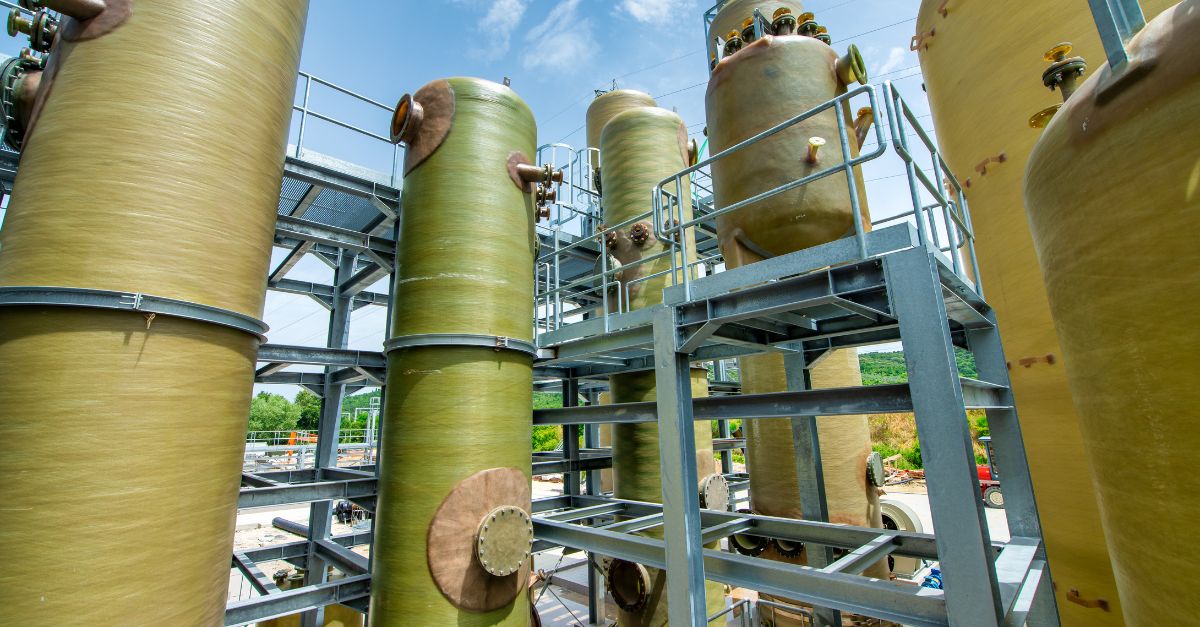
Environmental and regulatory pressures form another decisive factor. Tighter carbon and waste regulations in the European Union have increased the cost of compliance. Many facilities built decades ago would need major capital investments to meet the new sustainability standards. Rather than retrofitting, companies are opting for closure or relocation.
Finally, global corporations are reassessing their portfolios to concentrate on higher-margin and specialty materials. Large players are pruning energy-intensive or low-return units to focus on differentiated coatings technologies, advanced polymers, and sustainable materials.
Recent Examples of Facility Closures
In July 2025, Dow Inc. announced the closure of three major upstream assets across Europe. The company will permanently shut an ethylene cracker in Böhlen, Germany. And a chlor-alkali and vinyl unit in Schkopau, Germany. Also, a siloxanes plant in Barry, United Kingdom. Dow cited structural cost disadvantages and energy intensity as key reasons, projecting restructuring charges of between 630 and 790 million US dollars and about 800 job cuts.
In October 2025, INEOS Inovyn confirmed it would close two production units at its Rheinberg site in Germany. These include an allylics plant that supplies epoxy resin intermediates as well as a chlorine and caustic soda unit. The company directed the decision to unsustainable carbon and energy costs, which have left these assets uncompetitive in the global market. The closure will affect about 175 employees.
During October 2025, Trinseo PLC announced the shutdown of its methyl methacrylate as well as acetone-cyanohydrin facilities in Rho and Porto Marghera, Italy. The company is also consolidating its polystyrene production into Belgium, stating weak demand and high operating costs. This move is expected to generate approximately 20 million US dollars in annual savings. Because methyl methacrylate is a core ingredient for acrylic resins, these closures will have a direct impact on coatings formulations dependent on this feedstock.
In the same period, April 2025, TotalEnergies revealed its plan to close its naphtha-based steam cracker in Antwerp, Belgium, by the end of 2027. The decision reflects the sustained deterioration of profitability in European petrochemicals due to high feedstock and energy costs combined with stronger competition from imported materials.
Earlier in March 2025, LyondellBasell, Covestro, and Tronox each announced closures of base-chemical units in the Port of Rotterdam area. This is specifically at Botlek and Maasvlakte. These coordinated decisions are driven by overcapacity in global markets along with continued uncompetitive energy costs in Europe. The affected plants have been important suppliers of intermediates for pigments and polymeric materials used in coatings applications.
In 2025, AkzoNobel expressed plans to close two coatings production sites in Wapenveld, Netherlands, and Machelen, Belgium, as part of its industrial transformation program. The company’s goal is to streamline operations, consolidate production, and reduce redundancy across its European network.
Finally, in October 2025, Clariant AG indicated that it will progressively shift more of its production footprint from Europe to China. While not an immediate plant closure, the company’s CEO noted that Europe’s energy and labor costs are making local manufacturing less viable. Clariant has recently expanded two plants in Huizhou, China, which will now supply a greater portion of global demand for specialty chemicals and coatings intermediates.
Implications for the Coatings Industry
The ongoing restructuring is having multiple effects on the coatings value chain. One of the most immediate concerns is the reliability of upstream supply. As local production of essential intermediates such as acrylic monomers, resins, siloxanes, and chlor-alkali derivatives declines, coatings producers are becoming more dependent on imports. This may increase lead times and exposure to logistics and geopolitical risks.
Cost structures across the industry are also taking a turn. Imported intermediates introduce different pricing dynamics. This includes freight costs as well as potential tariffs. Coatings formulators have to adapt by revising their cost models. They may also have to optimize inventory levels or consider multi-sourcing strategies to mitigate disruptions.
The closures are also prompting a strategic reassessment of localization. Some companies may up their sourcing from Eastern Europe or the Middle East, while others will diversify globally to get competitive pricing and ensure continuity.
From a technological standpoint, the wave of closures highlights the urgent need for energy efficiency and modern process technology. Plants that are energy-intensive or reliant on legacy systems are very vulnerable. Coatings producers with captive upstream units will need to evaluate modernization investments or partnerships with third-party suppliers.
Interestingly, the retrenchment may open opportunities in higher-value coatings segments. Specialty coatings like functional, high-performance, or low-VOC formulations are less sensitive to raw material cost fluctuations. So, they can maintain stronger margins. As commodity intermediates become scarcer and more expensive, differentiation through innovation will become increasingly important.
Regional and Global Context
Although the closures have been most pronounced in Europe, similar structural forces are starting to emerge in other regions. In North America, producers stay relatively advantaged due to lower energy costs. But competitive pressure from Asia is intensifying. Also, Asia continues to expand capacity, particularly in China and Southeast Asia, establishing itself as the global production center for coatings intermediates. The resulting shifts in trade patterns will further shape the economics of the coatings sector over the next decade.
Conclusion
The recent wave of plant closures across Europe’s chemical and coatings-intermediate industries shows a structural transformation rather than a temporary downturn. High operating costs, stringent regulatory frameworks, and global overcapacity are driving companies to rationalize assets as well as reconfigure supply networks. For coatings producers, the consequences will be long-lasting, affecting feedstock security, cost competitiveness, and innovation strategies.