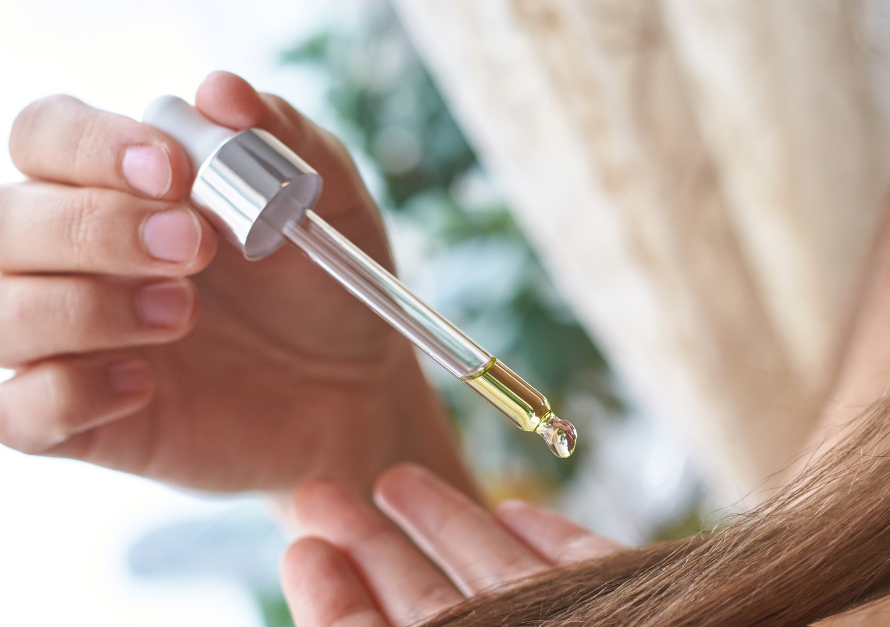
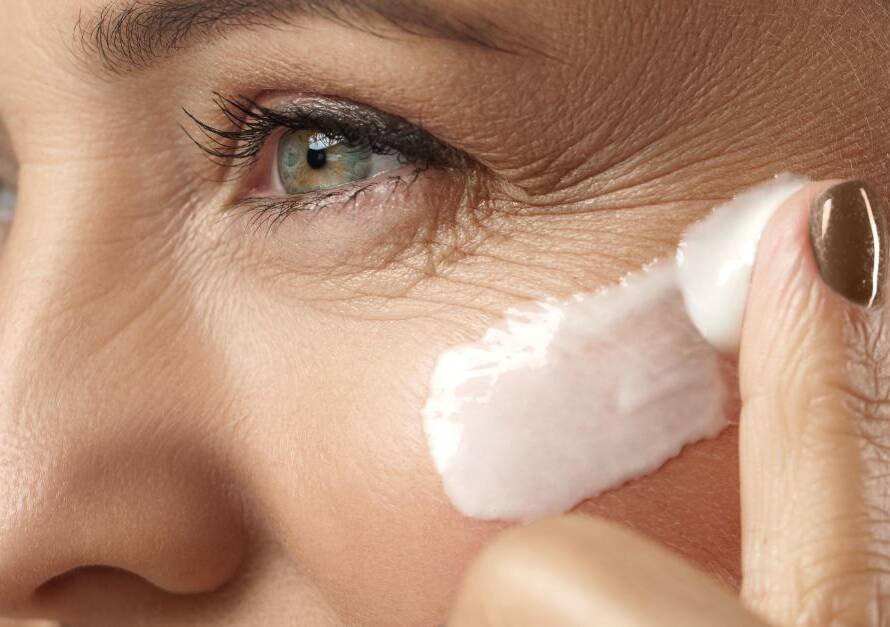
The cannabis plant contains various chemical compounds
that are responsible for therapeutic and other health-benefits.
Cannabinoids are becoming an increasingly common ingredient in
skincare products that are being formulated to meet the new age
demand of special cosmetics.
Out of the large pool of cannabinoids identified and
researched, Cannabidiol
(CBD) has taken the centre stage in
the cosmetic industry and has been
challenging the conventional formulation norms. Unlike THC, CBD is
not psychoactive, positioning it as
a captivating option for a new category (therapeutic cosmetic products), minus the mind-altering effects
which happen due to cannabis.
These novel creams, lotions, and
oils are targeted to address multiple skincare concerns like inflammation
prevention and control, while working as an add-on to meet the therapeutic demands of the population,
such as anxiety and stress relief. Due
to this, there is a rapid expansion in
the consumer base, which has shown
an exponential surge in the demand
for the ingredient.
The anti-inflammatory and antioxidant
properties of CBD are also attracting formulators across the board to
develop cosmetic products. Many
claims apply to this ingredient such
as eco-friendly, natural, and sustainable, which falls directly in line with
the clean label trends presently popular in the market. It is directly influencing the degree of preference for
formulating products with CBD.
The product launches for CBDinfused personal care and cosmetics products have grown by approximately 500% in just five years1, sending a beaming signal that the demand
in the therapeutic cosmetic segment
is only going to go up.
With previous market projections
for CBD-infused cosmetics estimating between $900 – $1,000 billion
by the end of 20242, the highlight on
mental health and the appreciation
for therapeutic cosmetics that came
as part of the pandemic will only
propel the demand.
Three Big Hurdles
The industry seems to be moving
at a speed faster than light which
is going to project this ingredient as
something that will be hard to evade,
specifically for formulators. However,
with so many product launches happening, there are three major hurdles
CBD needs to overcome to reach its
full potential in the cosmetics space.
The first is awareness3: Many consumers, particularly those above the
age of 50, are not readily aware of
the ingredient and its cosmetic benefits. However, the younger generation comprising of the millennial
and Gen Z consumers are poised to
drive the market growth, in retrospect of their increased interest in
natural ingredients, a higher focus
on mental well-being, and growing
expendable income. In markets such as the US and India, consumers have
started to embrace the ingredient and
are showing no signs of stopping anytime soon, as they are willingly incorporating CBD into their lifestyle.
The second is slightly more complicated and that is knowledge3, especially in differentiating between
CBD and THC: As the CBD market
grows, brands need to be open with
consumers about the distinct differences between the two ingredients
and emphasise the benefits of ‘good’
cannabinoids. Care must be taken to
ensure that products are marketed in
a way that does not confuse the consumer between the content of CBD
and THC, thus neglecting the overall
skincare and therapeutic benefits of
the cosmetic product.
The last problem, but not the least
is the lack of unified regulations: Even
though the USFDA legalised CBD
to be used in cosmetics, in many
other countries, the regulations are
still undefined4. In Europe, the use
of CBD in cosmetics is prohibited
if it is derived from extracts, tinctures, or resins of the Cannabis Sativa
plant, but can be used if it comes
from its seeds or leaves, and with
the proper documentation5. China,
which is one of the largest hubs of
private label manufacturing, has
banned using CBD in cosmetics formulated locally and the imports of
similar products6.
The varied stances from different
governing bodies have resulted in
inconsistencies in quality, testing
standards, marketing, and overall terminology. It is imperative that companies and governments are working towards successfully developing
effectively unified regulatory regimes
that can be followed across the globe
with ease.
CBD infused cosmetics market
With all the buzz around CBD, it
needs to be noted that the focus
on the ingredient and the development in this sector comes from
small and local indie brands7. These
indie brands are going to see diversity only with an increase in research
that sheds more light on the distinct benefits of CBD.
The big brands have slowly started to
follow suit with corporations8 experimenting with CBD-based oral care
products9 and deodorants10. Ingredient manufacturers are also launching active ingredients to enable
innovative formulations, such as the
water-soluble, encapsulated CBD11
and many others.
The industry is still in its nascent
stage and has a huge potential that
is attracting stakeholders from across
the value chain. However, the need
to create brand obsession is critical,
as approximately half of the consumers still do not have a preferred CBD
brand, according to New Frontier
Data’s Consumption Drivers report12,
paving the way for brands, both big
and small, to differentiate themselves
with product innovation.
Conclusion
The recent events have caused consumers to form a new outlook toward
CBD and therapeutic cosmetic products. Cosmetic companies, both big
and small, need to creatively adapt
to the new focus on this niche category of products to satiate the new
age consumer. All things considered,
what started as a fad is now likely
seeming to be poised as an unavoidable trend in the beauty and personal
care space.
References:
1. Mintel GNPD 2017-2021
2. Market value of cannabidiol
(CBD) skincare worldwide in 2018 and 2024 – Statista
3. Distilling the CBD
market – Global Web Index
4. How are hemp and other Cannabis sativa L. extracts
used in cosmetics? – The International Nature and Organic Cosmetics Association
5. CBD beauty in the EU: It’s ‘reasonably predictable’ inspections will
increase – Cosmetics Design Europe 10/03/21
6. NMPA announcement: Immediate
ban on CBD in cosmetics in China – Ecomundo 06/16/21
7. Cannabis beauty: CBD
is ‘an exciting area for innovation’, says expert – Cosmetics Design Europe
03/22/21
8. Unilever Joins the List of Major Corporations Blowing into CBD by
collaborating with The Laval, a Canadian CBD maker – Hemp Industry Daily
09/22/20
9. Colgate-Palmolive files trio of patents on ‘antibacterial’ CBD
oral care blends – Cosmetics Design Europe 04/15/22
10. Colgate-Palmolive files
patent on ‘anti-irritant’ CBD antiperspirant – Cosmetics Design Europe 06/10/21
11. New Launch: Lipobelle Pino C; More than CBD – Mibelle Biochemistry 05/12/20
12. U.S. CBD Consumer Series, Consumption Drivers (Vol. 3) – New Frontier Data
***
This article was originally published in COSSMA.