PFAS Has Entered a New Phase
Per- and polyfluoroalkyl substances (PFAS) have become one
of the most closely watched groups of chemicals in the world. Their resistance
to heat, water, oil, and chemical degradation has enabled widespread use across
industrial and consumer applications, but these same characteristics have also
made them a growing environmental concern.
Today, the discussion surrounding PFAS extends far beyond
contamination detection. Governments, utilities, manufacturers, and technology
providers are increasingly focused on a broader challenge: how to manage
existing PFAS contamination while reducing future environmental impacts. As a
result, the next phase of PFAS management is being shaped by three
interconnected forces—regulation, treatment technology, and material
innovation.
.jpg?alt=media&token=aa119a6c-cd47-42ea-8821-ef4b2e56ef09)
Regulation Is Reshaping the PFAS Landscape
Regulation has become one of the primary drivers influencing
how PFAS is managed worldwide.
In the United States, regulatory efforts have largely
focused on drinking water quality, prompting utilities and industrial operators
to evaluate treatment infrastructure, monitoring programs, and long-term
compliance strategies. Although implementation timelines continue to evolve,
PFAS management is becoming an increasingly important part of water treatment
planning.
Europe has taken a broader approach. In addition to
strengthening PFAS monitoring requirements under the Drinking Water Directive,
ongoing discussions surrounding restrictions under the REACH framework are
influencing decisions across the chemicals value chain. Companies are
increasingly assessing how future regulations could affect product portfolios,
raw material selection, and innovation priorities.
Across Asia-Pacific, regulatory activity remains less
uniform but continues to expand. Countries are increasing monitoring efforts
and strengthening oversight of water quality as awareness of PFAS-related risks
grows.
While regulatory approaches differ, the overall direction is
clear. PFAS is moving from a monitoring issue to a management issue, requiring
stakeholders to evaluate both treatment solutions and long-term risk reduction
strategies.
From Removal to Destruction: The Evolution of PFAS
Treatment
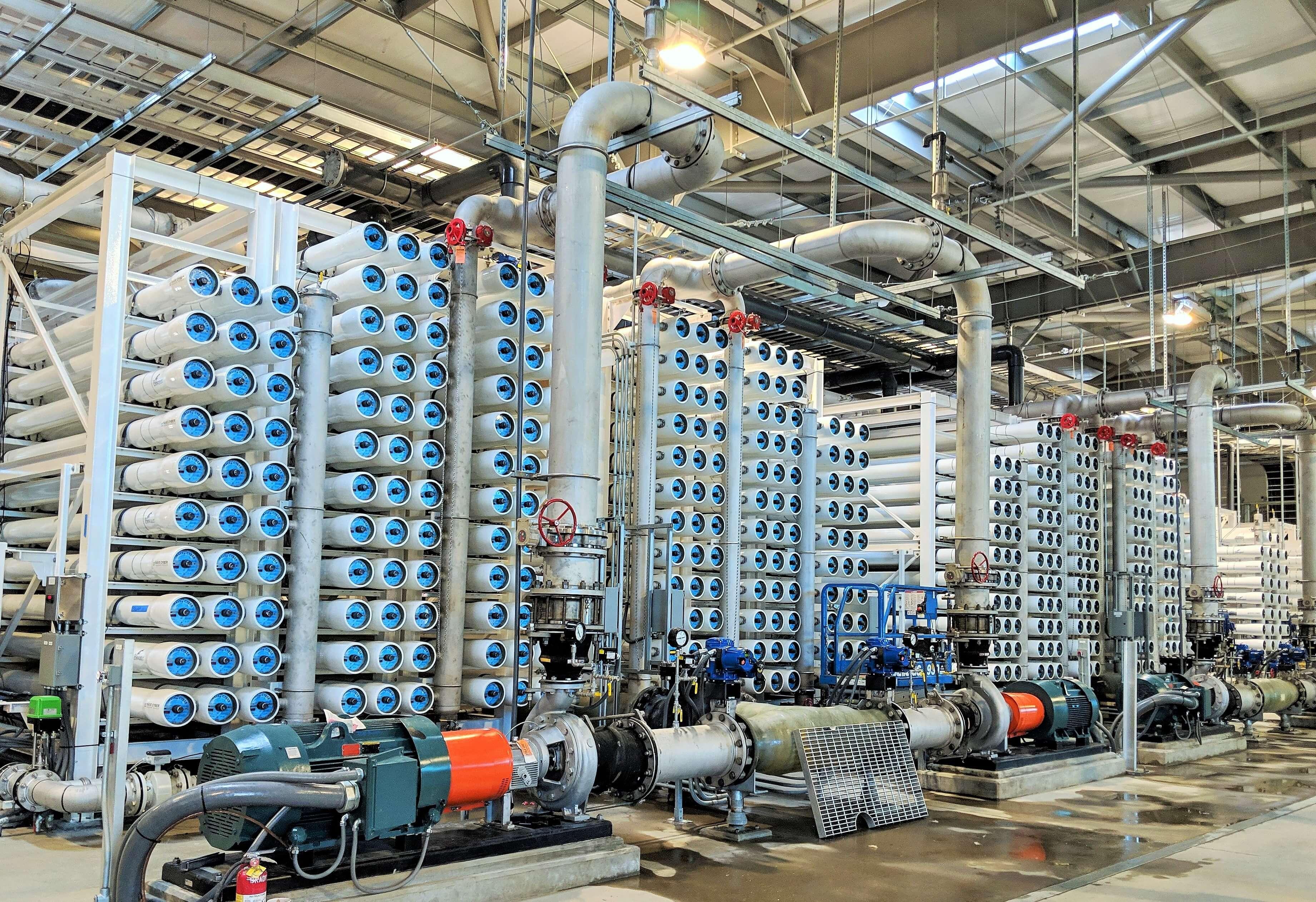
Conventional treatment technologies remain the foundation of
PFAS management today. Granular activated carbon (GAC), ion exchange resins,
and reverse osmosis systems are widely used because they can effectively reduce
PFAS concentrations in contaminated water.
However, these technologies share a common limitation. They
remove PFAS from water but do not eliminate the compounds themselves. Instead,
contaminants are transferred into spent media, residuals, or concentrate
streams that require additional handling.
This challenge is driving growing interest in destruction
technologies capable of breaking down PFAS at the molecular level.
Electrochemical oxidation has emerged as one of the most
actively explored approaches, particularly for treating concentrated PFAS
streams generated from conventional treatment systems. Foam fractionation is
also gaining attention because it can concentrate PFAS into smaller volumes
before subsequent treatment, potentially improving efficiency and reducing
costs.
Other technologies, including plasma-based systems and
supercritical water oxidation (SCWO), are advancing from pilot and
demonstration stages toward broader commercial evaluation. These approaches aim
to address one of the most persistent challenges in PFAS management by
destroying contaminants rather than transferring them to another waste stream.
Although destruction technologies continue to face
challenges related to scalability, energy consumption, and economics, they
represent an important step toward more permanent PFAS management solutions.
Reducing Future PFAS Emissions Through Material
Innovation
While treatment technologies focus on addressing existing
contamination, material innovation is increasingly being explored as a way to
reduce future PFAS dependence in selected applications.
Manufacturers across sectors such as textiles, packaging,
nonwovens, and consumer products are evaluating alternative chemistries where
substitution is technically feasible. This has led to growing interest in
fluorine-free technologies designed to deliver performance while reducing
reliance on PFAS-based materials.
Examples include Daikin’s UNIDYNE XF platform, Archroma’s
fluorine-free textile solutions, Rudolf’s BIONIC-FINISH ECO technologies, and
other alternative finishing systems developed for performance textile
applications. These innovations demonstrate how companies are exploring new
approaches alongside traditional PFAS management efforts.
At the same time, the transition is not universal. Certain
applications continue to require performance characteristics that remain
difficult to achieve without fluorinated materials. As a result, many
organizations are pursuing a balanced strategy that combines improved PFAS
management with targeted investment in alternative technologies.
Conclusion
The PFAS conversation has evolved well beyond contamination
detection and regulatory compliance. What was once primarily a monitoring
challenge is now driving broader discussions around treatment effectiveness,
destruction technologies, and material innovation.
Conventional treatment technologies will continue to play a
critical role, but their limitations are accelerating interest in solutions
capable of permanently addressing PFAS contamination. At the same time,
manufacturers are exploring opportunities to reduce reliance on PFAS in
applications where viable alternatives exist.
The future of PFAS management will likely be shaped by a
combination of regulatory action, technological advancement, and innovation in
material design. Rather than relying on a single solution, industries are
increasingly adopting a multi-faceted approach that combines treatment,
destruction, and prevention strategies to address the challenges associated
with these persistent chemicals.
This article was originally published in Plasticstoday