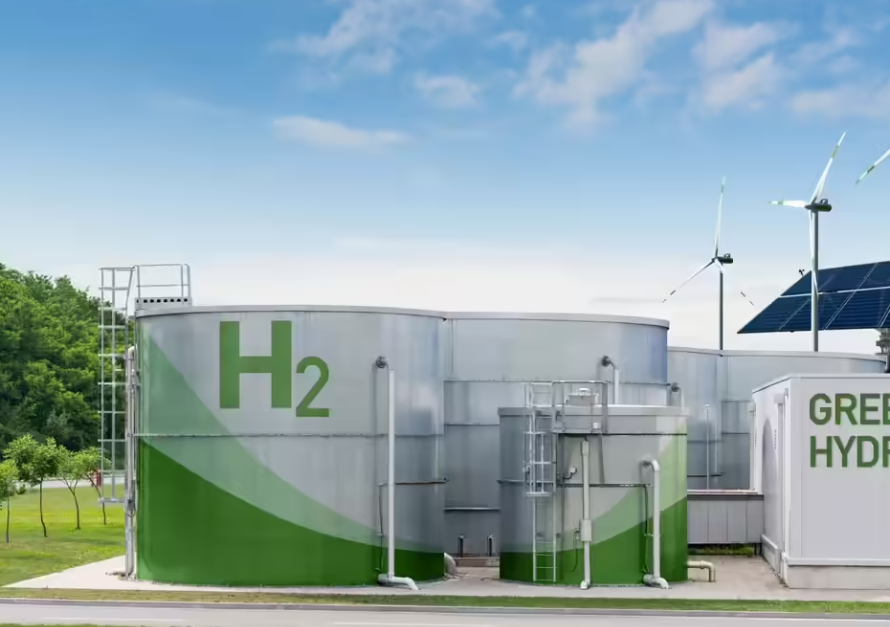
Aviation is one of the most challenging sectors to decarbonize because long-haul aircraft rely on very energy-dense liquid fuels. Batteries are too heavy for these missions and hydrogen would require new aircraft designs as well as major infrastructure changes. Sustainable aviation fuel, or SAF, is therefore the most practical near-term solution. It can be blended into conventional jet fuel and used immediately in existing engines and airports.
In 2025, the scenario changed notably as regulations moved from planning to implementation. The European Union activated the ReFuelEU Aviation mandate requiring two percent SAF in all fuel supplied at EU airports. The United States introduced the 45Z tax credit, which directly rewards producers for achieving low lifecycle carbon intensity. These policies have accelerated SAF from a pilot-scale concept into a competitive industrial sector where chemistry and engineering now define commercial success.
SAF Pathways
Several chemical routes are used to produce SAF. And, in 2025, each of them demonstrated meaningful progress. HEFA, which converts used cooking oil and other lipids into synthetic kerosene, remains the most established pathway. Its main hardship is the limited global availability of waste oils. But countries with strong collection systems continue to expand capacity. China’s Zhongneng Yida facility in Hebei is a good example. They adopted Topsoe’s HydroFlex technology to produce large volumes of HEFA-based SAF.
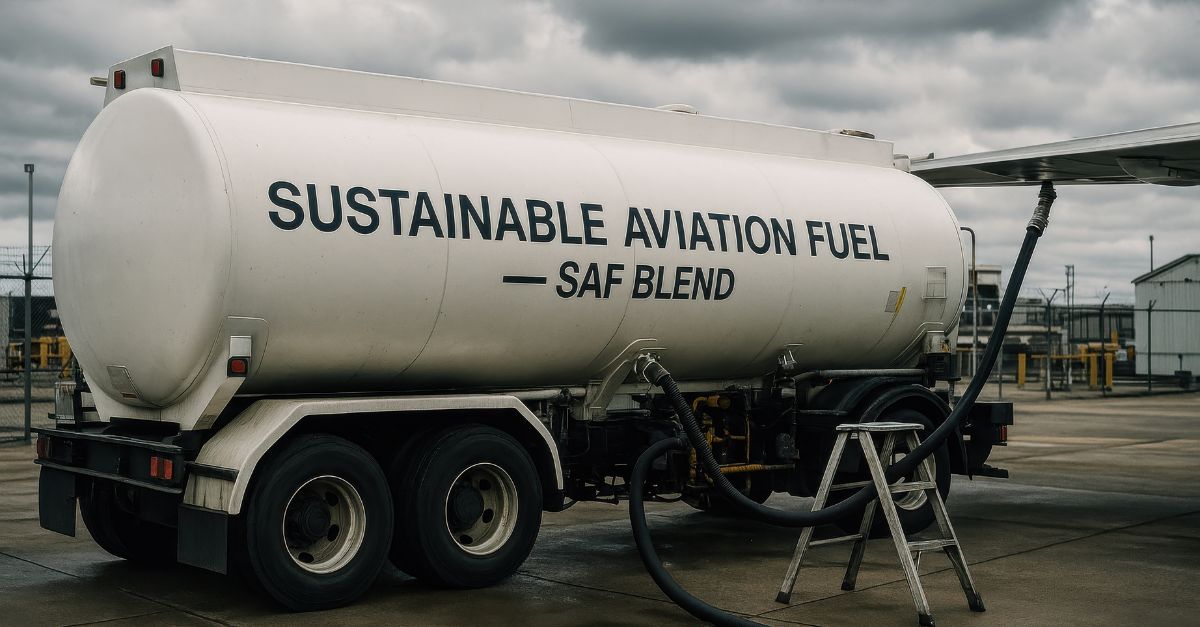
Alcohol-to-jet, usually referred to as ATJ or ETJ, converts ethanol or other alcohols into jet-range hydrocarbons through dehydration, oligomerization, and hydrogenation. This route grew in prominence in Asia during 2025. Taiyo Oil is building a 200 million liter per year ETJ plant in Okinawa using Honeywell UOP technology (to be operational in 2029). This decision has marked the first licensed ETJ project in the Asia Pacific region. This also highlights Japan’s commitment to scaling domestic production.
Fischer-Tropsch and e-kerosene pathways rely on syngas produced either from biomass or from captured carbon dioxide combined with renewable hydrogen. These routes are energy intensive but can deliver very low emissions when powered by clean electricity. Infinium’s Project Roadrunner in Texas is one of the most visible 2025 examples. The facility, now under construction, will use captured CO₂ and green hydrogen to produce commercial volumes of synthetic jet fuel with off-take agreements from major airlines.
Methanol-to-jet is an emerging pathway that converts renewable methanol to jet fuel through zeolite-based chemistry. Metafuels and Evos advanced this route through the Aerobrew pilot in Rotterdam, which produces about 12,000 liters of SAF per day with plans for significant expansion. Solar thermochemical fuels also entered the spotlight in 2025. Synhelion delivered solar-made jet fuel for a public demonstration flight with SWISS Airlines following the commissioning of its DAWN plant in Germany. In that flight, SWISS became the first airline to integrate Synhelion’s solar fuel into regular operations, using a 7% blend of solar-produced SAF with conventional jet fuel, a milestone marking tangible progress toward fully renewable aviation fuels.
Global Projects and Regional Dynamics
Industrial activity expanded across all major regions in 2025. In the United States, the new 45Z tax credit reshaped investment priorities, with e-fuel projects gaining particular stand. Project Roadrunner in Texas became a reference point for how CO₂-to-jet facilities can integrate renewable electricity, electrolyzers and long-term airline contracts into a single business model. Europe continued to act as a proving ground for new chemistries. Rotterdam hosted the Aerobrew methanol-to-jet demonstration, while Germany saw the first commercial delivery of solar thermochemical jet fuel from Synhelion. Both projects reflect Europe’s strategy of scaling synthetic routes that will meet future sub-targets within the ReFuelEU framework.
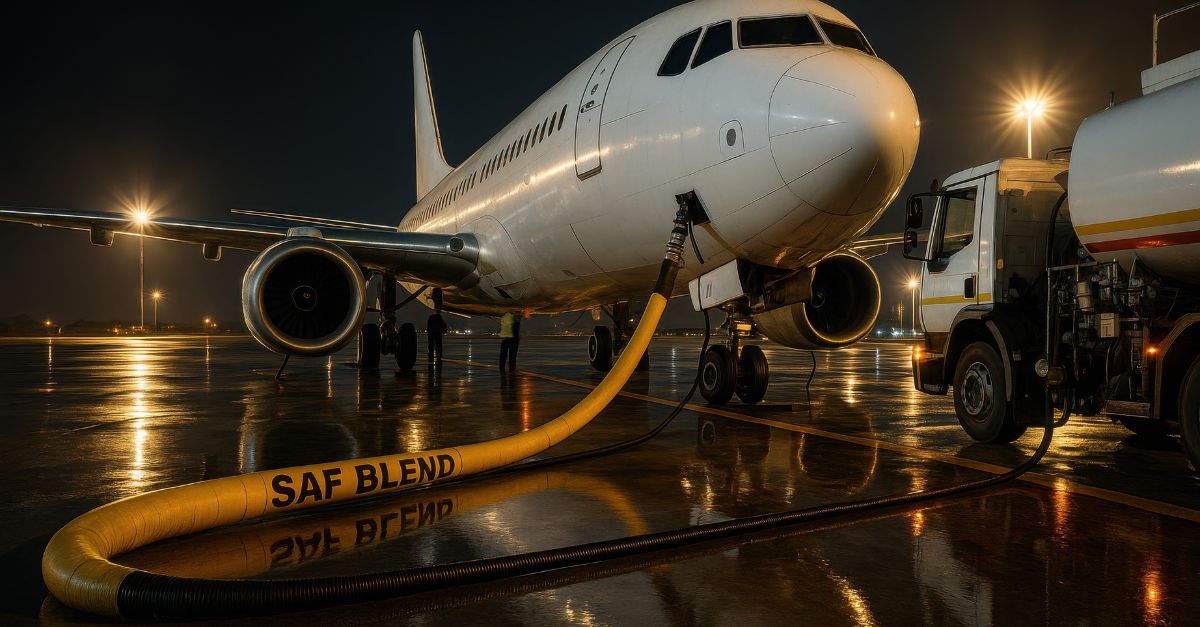
Asia strengthened its position as a second growth pole. Japan’s support for the Okinawa ETJ plant demonstrated national commitment to building domestic SAF capability. China continued expanding HEFA capacity by adding new units built around HydroFlex technology. Malaysia delivered its first domestically blended SAF through Petronas, and Australia commissioned the region’s first dedicated SAF blending terminal at Wellcamp Airport. India also advanced its position through co-processed SAF certification at the Panipat refinery and new collaborations aimed at developing future low-carbon fuel technologies. Together, these developments show that SAF is no longer limited to Western markets but is now building momentum across the entire Asia Pacific region.
Economics, Risks and Market Reality
Although SAF production is scaling up rapidly, it remains more expensive than conventional jet fuel. Hydrogen consumption is the most significant operating cost for many routes, which means catalyst performance and process efficiency now have direct financial impact. Yield to jet is another key driver, since higher conversion of feedstock carbon into jet fuel reduces total cost per liter. For e-fuel plants, the cost and carbon intensity of electricity are decisive; access to low-cost renewable power can make or break a project.
The sector also faces material risks. The global supply of waste oils is not large enough to support all announced HEFA projects, which pushes producers toward synthetic and alcohol-based pathways. Project execution risk remains high as well. A 2025 review of SAF announcements over the past decade showed that only a small fraction reached commercial operation. Shell’s cancellation of its planned Rotterdam biofuels and SAF facility highlighted how quickly project economics can shift. At the same time, airlines have raised concerns about rising prices under new mandates, especially in Europe where blending surcharges appeared early in the year. The producers most likely to succeed will be those that deliver high yields, lower hydrogen consumption and robust lifecycle documentation that satisfies both regulators and credit programs.
Future Direction for SAF and the Role of Chemical Companies
As SAF moves from demonstration to wider industrial adoption, chemical companies are becoming central to its progress. Producers now depend much on advanced catalysts, pretreatment systems, impurity control strategies, and analytical support to meet both ASTM quality requirements and carbon intensity targets. Companies that can deliver improved hydrogen efficiency, longer catalyst lifetimes, and integrated technology packages for routes such as ETJ and MTJ will have a competitive edge. Another important thing is providing customers with clear, auditable lifecycle data to secure the highest possible credit value under programs like 45Z and ReFuelEU. Recent moves toward vertical integration, such as Honeywell’s acquisition of Johnson Matthey’s catalyst technologies business, show the growing importance of unified technology and catalyst offerings.
Looking ahead to 2030, ethanol-to-jet is positioned for strong growth. Because it can use existing ethanol supply chains and often deliver competitive carbon intensity when paired with renewable energy. HEFA will remain significant but is likely to plateau as waste oil supplies tighten. Synthetic pathways, including e-SAF and methanol to jet, are expected to scale more rapidly after 2027 as renewable electricity becomes more affordable and as current construction projects move toward commissioning. The next phase of SAF development will be shaped by improvements in catalyst durability, precision in lifecycle carbon reporting, and continued expansion of blending and certification infrastructure. The chemical industry will continue to play a central role because every advancement in reaction engineering, catalyst design, or data quality directly improves both cost and carbon performance.