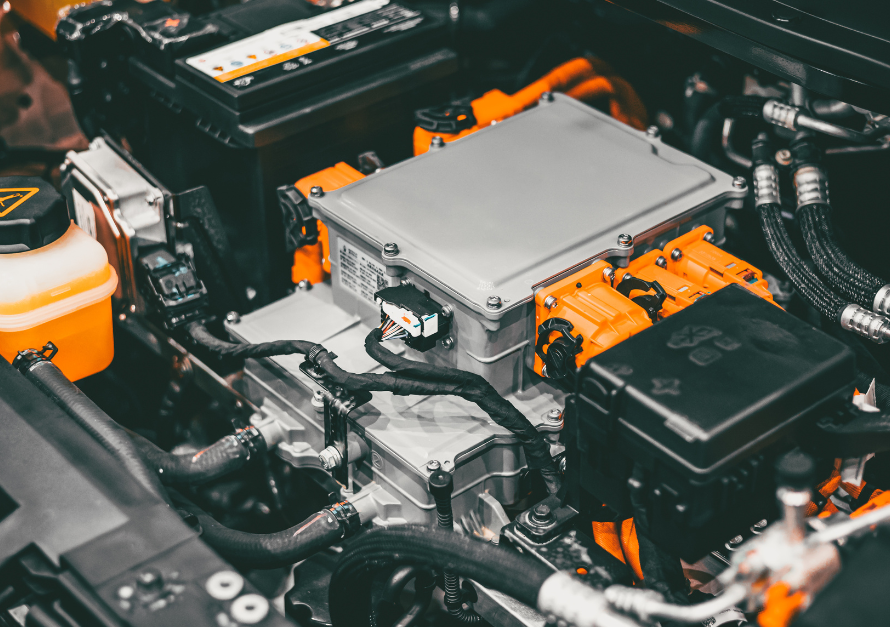
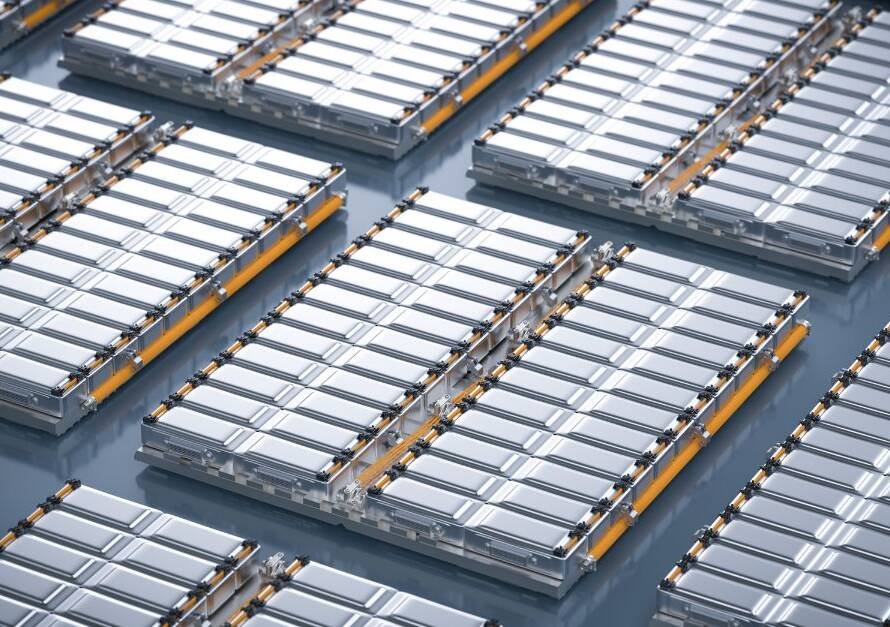
By the end of 2024, EVs will account for 4% of all passenger vehicle sales in India, and by 2030, they may account for one-third of the market. In May 2024, Mahindra Group achieved its highest EV sales of 4,536 units, a 12.67% increase over May 2023 and a 44.37% increase over April 2024. The Indian government has also modified its EV import taxes, which will be reduced if manufacturers invest at least $500 million and plan to begin manufacturing within three years of the investment.
The adoption of EVs in India has increased significantly, driving up demand for lithium-ion batteries. With initiatives like FAME II and PLI, the Indian government is promoting the production of lithium-ion batteries and electric vehicles. FAME II is a program aimed at creating a supportive environment for the growth of EVs in India. The PLI initiative for ACC (Advanced Chemistry Cell) Battery Storage aims to increase domestic production of advanced batteries like lithium-ion cells. It provides financial incentives to companies that establish ACC battery production facilities in India.
Key Investments and Partnerships Boost India’s EV Battery Production Landscape
Tata and Mahindra are the two major players in India’s EV sector, with both making significant contributions to the country’s electric vehicle growth. Tata Technologies has partnered with Agratas, a Tata Group company, to accelerate the development and industrialization of high-quality battery solutions. This collaboration advances the Tata Group’s goal of establishing a comprehensive eMobility ecosystem, thereby increasing EV production and adoption in India and around the world. Temasek, a global investment firm headquartered in Singapore, will invest Rs 1,200 crore in Mahindra Electric Automobile Limited (MEAL), the company’s electric vehicle (EV) subsidiary. MEAL will receive $1.56 billion in investment as part of this transaction. This transaction is expected to help MEAL’s plans for expansion, technology development, and expanding its EV offerings in India.
New players are also planning to expand into the EV market; OLA Electric is expected to release a new car model between 2024 and 2025. In addition, the company is investing approximately $100 million in the first phase of its Gigafactory, which will produce lithium-ion battery cells.
Panasonic Energy Co. Ltd. and Indian Oil Corporation Ltd. (IOCL) have agreed to form a joint venture, which will include the establishment of a new business entity to combine resources, skills, and technology for the production of cylindrical lithium-ion batteries. The joint venture will focus on obtaining or potentially producing these materials for high-quality batteries.
JSW Group plans to invest approximately $4.81 billion in establishing a large-scale electric vehicle (EV) and battery production facility in Odisha. The company’s Odisha project will include a 50 GWh electric vehicle (EV) battery production plant, a lithium refinery that converts raw lithium into battery-grade material, and a copper smelter to produce critical components. The site will also include manufacturing facilities for a variety of related components, providing a complete supply chain for electric vehicles.
Exide Industries Ltd., an established battery manufacturer in India, has allocated around $5.2 million to its subsidiary, Exide Energy Solutions Ltd. EESL specializes in producing advanced chemistry battery cells, which are essential components of lithium-ion batteries. In order to produce and distribute lithium-ion battery cells, modules, and packs, EESL is presently constructing a new plant (a greenfield project). The primary goal remains to manufacture advanced chemistry battery cells and related components for lithium-ion batteries.
Hyundai Motor Company and Kia Corporation have partnered with Exide Energy Solutions Ltd to produce EV batteries in India, acknowledging Exide’s expertise and ongoing efforts. Hyundai intends to launch a high-volume EV model in 2025, and it currently sells the IONIQ5 and Kona EVs. Kia sells the EV6 in India.
The growing popularity of electric vehicles (EVs) in India is expected to drive significant growth for battery material manufacturers such as SRF Limited, Gujarat Fluorochemicals Limited (GFL), Indian Oil Corporation Limited, and Birla Carbon, among others. India is attempting to achieve self-sufficiency in the production of battery materials. With EV sales expected to rise, demand for lithium-ion batteries will increase significantly, necessitating additional investments in production capacity and technological innovation. This will also provide an opportunity for Indian battery component manufacturers to form additional international collaborations and expand their global presence. For example, BYD has made a bold statement that it will control 90% of the EV market in India by the end of 2024. Such claims have the potential to spark collaborations and partnerships in the near future.