The EV Sector’s Long-Awaited Leap
No doubt, solid-state batteries (SSBs) have long been considered an important component for the electric vehicle (EV) industry. They bring to the table greater energy density, faster charging, longer range, and improved safety over the conventional lithium-ion batteries that currently dominate EV architectures. For the past decade, these promises have lingered just beyond reach. This is mainly due to technological bottlenecks in scalability, material stability, and cost-effectiveness. But recent developments in the last 12 to 18 months signal a notable shift. SSBs are no longer confined to academic journals or lab prototypes. Commercial validation, pilot production, and on-road testing have begun to define a new phase in battery innovation.
What Makes Solid-State So Revolutionary for EVs?
But what is the excitement about? It is about the transition from liquid electrolytes to solid ones. By replacing flammable organic liquid electrolytes with ceramic or polymer-based solids, SSBs drastically reduce fire risks. Also, solid electrolytes allow for the use of lithium-metal anodes. And this can provide considerably higher energy densities, potentially two to three times more than conventional cells. What does this mean for EV makers? This means vehicles could become lighter or even travel farther on a single charge and achieve faster recharge cycles. These improvements are essential if EVs are to compete seamlessly with internal combustion engine vehicles and reach mass-market parity.
Where Are We in the Commercial Race?
After spending years in research, the commercial race is now heating up. In April 2025, Stellantis and Factorial Energy made the announcement of successful validation of 100+ Ah solid-state EV battery cells with energy densities around 375 Wh/kg. These are being prepped for demonstrator EV fleets expected to roll out in 2026. Also, Mercedes-Benz began road-testing a lithium-metal solid-state prototype EV in February 2025, making it one of the first real-world trials by a legacy automaker.
Solid Power, in partnership with BMW and Samsung SDI, is gradually moving toward commercializing all-solid-state cells that balance energy density with manufacturability. Toyota has also reaffirmed its timeline to bring solid-state EVs to market by 2027. They are to focus on high-performance models with faster charging times and longer ranges. Meanwhile, QuantumScape, supported by Volkswagen, goes on to scale its QS cells and, at the same time, addresses manufacturing challenges for commercial viability.
These efforts hint that while no automaker has launched a mass-market EV with SSBs yet, we are firmly in the pre-commercialization phase. Demonstrator fleets, pilot plants, and validated cell designs are actively replacing whiteboard theories.
Is the Infrastructure Ready?
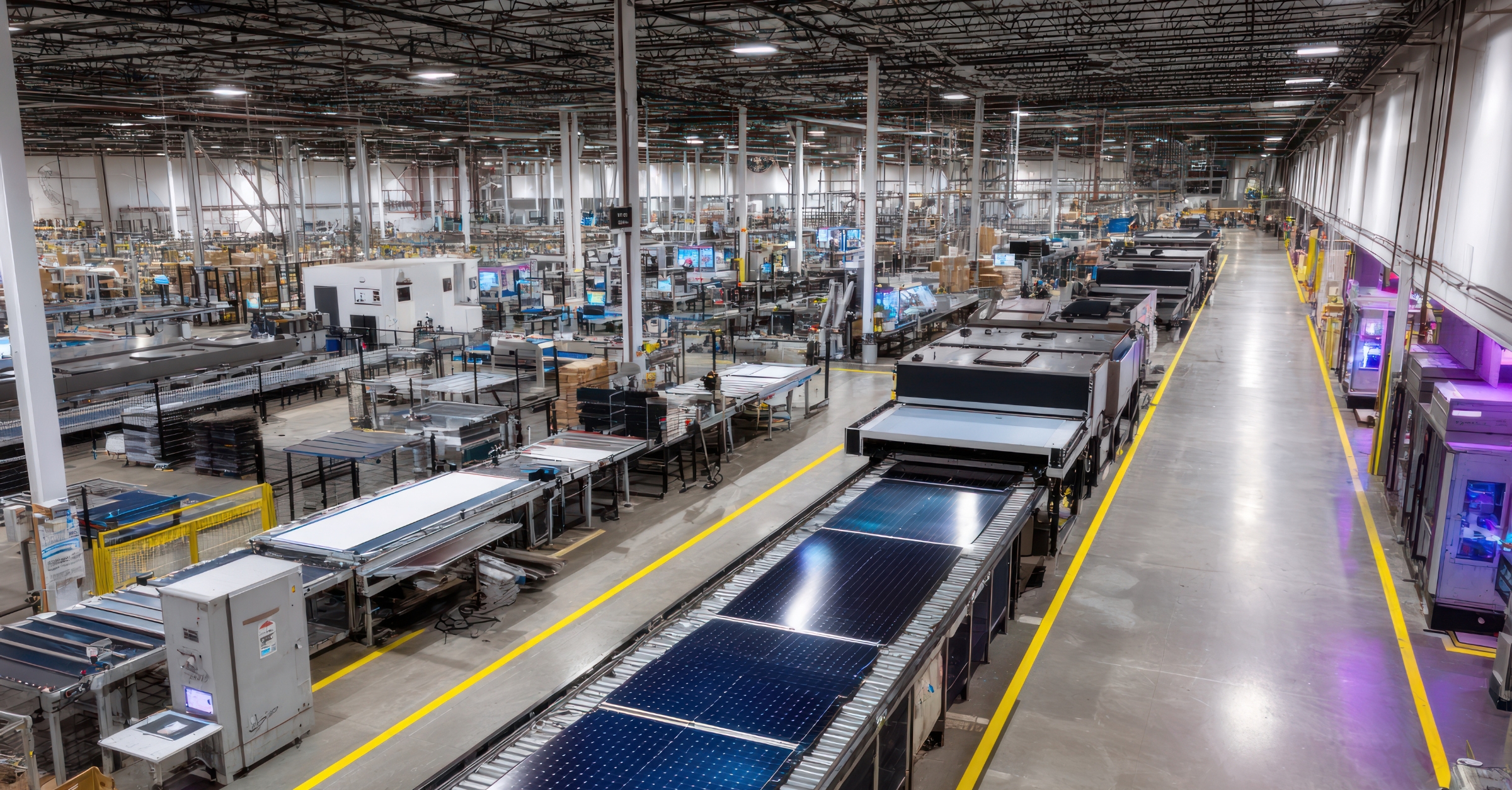
Despite the momentum, infrastructure remains a challenge. Manufacturing solid-state cells requires different tooling and process control than liquid-electrolyte cells. Cost is another barrier. While energy density and safety gains are substantial, scaling SSB production to gigafactory levels without sacrificing yield or inflating prices is an ongoing hardship.
To close this gap, many players are making use of existing lithium-ion lines and adapting them for solid-state processes. This hybrid strategy, while imperfect, is helping fast-track pilot deployments and de-risk large-scale investments. Moreover, government-backed initiatives in Europe and the United States are beginning to offer funding and policy support that may accelerate infrastructure alignment.
The Road Ahead
The EV industry stands at a critical juncture. Regulatory pushes for net-zero mobility, consumer appetite for long-range vehicles, and investor interest in battery startups are all converging. Solid-state batteries have moved from hypothetical disruptors to tangible assets in the EV roadmap. Yet, the big switch will not be overnight. Expect the next few years to feature parallel tracks where traditional lithium-ion cells coexist with initial solid-state rollouts.
Still, the message is clear: solid-state is no longer a moonshot. For the electric vehicle market, it may very well be the solid ground it needs.