Anti-aging is gaining traction not just in skincare but also in hair care products. Consumers are getting more conscious about
what they use on their skin, not to forget an unending focussed demand for sustainable and clean label products. All this
started in 2020, and now it has become the say of the day when it comes to buying personal care products. So, has the market for
anti-aging activities changed permanently? The answer is yes and that is why the whole value chain has accepted the innovation
and is following the trends in line.
Introduction
For a long time, Anti-aging has been the central and largest
type of product in the global personal care market, acting as
the pivotal growth point. This category has been an essential
part of the luxury brands, experiencing the highest gains in
2021.
Anti-aging is not just the star of the end product segment,
but it is an unmissable popular category amongst the ingredient manufacturers. Being used in multiple trends and innovations, anti-aging holds a major share in the fastest-growing active ingredients market. These ingredients are high in
demand in almost every sub-segment of the personal care
industry be it skincare, body care, or hair care applications.
The global personal care industry was valued at ~490 Bn US$
in 2021, and it is expected to grow at a CAGR of 5.4% by
2027. Here, the market size of the anti-aging sub-segment was
valued at ~820 Mn US$ in 2021, with a CAGR of 7% by 2027,
showing how impeccably strong and valuable the market share
of anti-aging is.
Anti-aging Actives
Anti-aging actives usually boost the natural collagen production of skin which makes the face appear younger. This happens by reducing, masking, or preventing signs of skin aging
such as wrinkles, skin sagging, poor texture, etc. Anti-aging products have a wide and diversified product range including
but not limited to moisturizers, anti-pollution, anti-oxidation,
and UV absorbers.
Earlier, the market was highly dominated by the skincare segment alone. However, in recent years, hair care products have
been realizing the demand for anti-aging products too.
The market has been full of hair care products being launched
by big sharks and mid-sized players, launching products that
help in a variety of scalp and other hair related concerns.
There have been shampoos, anti-greying products, and what
not for the consumers of today. Not just the end product
manufacturers, but even ingredient manufacturers are joining
the party to try on these anti-aging actives. The mass adoption is led by the demand generated in the market after the
personal care segment got a boost, affecting every link in the
value chain.
As per the regional segregation
and market, North America and
Europe are leading the demand
for anti-aging ingredients. This is
particularly owing to significant
consumer awareness of self-care
and skin care. APAC is another region that is going to inspect high
growth possibilities for anti-aging
ingredients, and countries like
China and India are leading the
demand curve. All this demand is
because of the issues like premature aging in the increased focus
on personal care amongst the population. However, in the current scenario, Japan and South
Korea lead the anti-aging market in the APAC because the region has a high population of the old generation.
Anti-aging and Fragrance
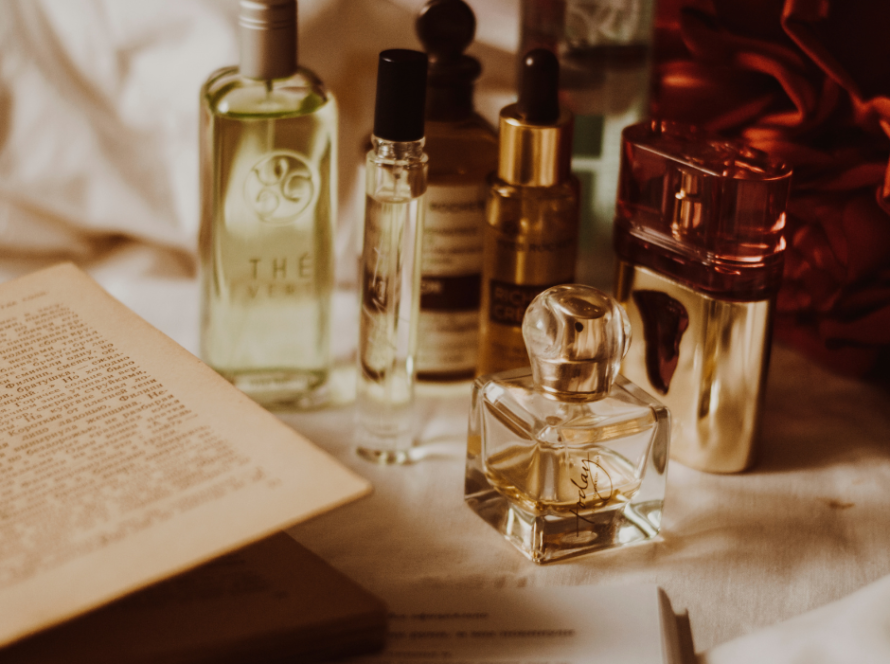
Synthetic fragrances are hidden in almost every skincare product and a lot of consumers choose skincare products because
they smell good. The rise in the use of synthetic fragrances in
personal care products has led to many consumers coming
forward with their grievances with these ingredients. While
some people don’t enjoy the strong smell of artificially fragranced products, others have genuine allergies to these
chemicals. These sensitivities of the consumers were highlighted during the last two years when skincare became selfcare and an evident center of the consumers’ pandemic and
even post-pandemic lifestyle.
The result was a new arena of the personal care industry,
which was initially catered by small indie brands only, Fragrance-free products. However, larger brands and formulators are now actively expanding into this niche area. For
example, Olay learned that a big percentage of consumers
desire fragrance free skin care products. So, the brand subsequently launched scent-free versions of its products, including moisturizers, serums, and creams, which have become as
popular as their original fragrance rich counterparts.
In the past few years, consumers have been in search of
multi-functional ingredients and formulations as part of their
demand for minimalistic skin and hair care routines. It became popular amongst consumers because of the need for a
return to nature for fragrance, as it has unmatched additional
benefits. Combined with their need for natural and sustainable ingredients, this has led the formulators to look at natural fragrances and essential oils that can be utilized to tackle
issues such as aging and acne. Moreover, recent studies have
also highlighted the use of essential oils as potential anti-inflammatory and antioxidant agents, which were already the
claims that were made by aromatherapy practitioners. Essential oils of rosemary, lavender, sandalwood, and tea tree are
a few of the major essential oil products that have gained
popularity in the past few years.
Technological Innovations
The personal care industry has seen interesting technological
innovations in manufacturing, packaging, and formulations.
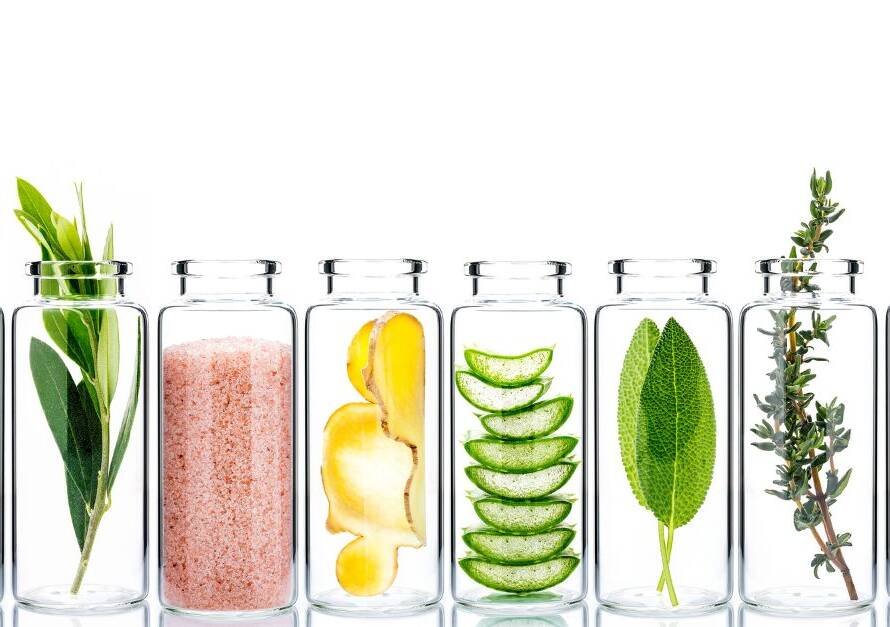
Botanical ingredients that include plant based extracts and
herbs currently dominate the supply of anti-aging actives.
Their usage appears to be continuously rising, specifically due
to the rising demand for organic, clean labels, and sustainable
ingredients in consumers.
However, over the past few years, with the advancement
in the biotechnological field, there has been a tremendous
rise in the demand for biotech and more particularly marine
based ingredients for anti-aging purposes. Market leaders
and small-scale crafters are producing and developing new
innovative ingredients that fulfill the demands of today. The
raw materials for these ingredients are usually sourced from
Algae Extracts, Plant-based Ceramides, Naturally sourced
Hyaluronic Acid, Dead Sea Minerals, Fish Roe Enzymes, and
Extracts, Seawater, Pearl Extracts, etc. Several innovative extraction technologies such as bio-fermentation and enzymatic
extraction are used in the process.
Future Trends and Outlook
The future of the anti-aging market looks bright with an evident surge in demand from a variety of regions across the
globe. Here are a few excellent trends and innovations concerning anti-aging actives that have changed the face of the
personal care industry:
– Coenzyme Q10 helps in shaping the skin, taking the cue,
companies have started using this magic active ingredient
that helps in reversing or combating the impact of aging.
Not just this, but even the traditional herbs are seeing an
uproar in the market. Berg+ Schmidt along with Ashland
have included Bakuchiol and Jojoba Oil in their anti-aging ingredients portfolio. Traditional herbs are extensively
used in Asian countries for skin care routines and products, allowing a strong growth in terms of usage, leading
to an increase in demand for such products.
– When it comes to personal care trends, the technology
always has decent space and say. AI-driven and predictive intelligence technologies are driving the changing demand of consumers. Recently, a series of new ingredient
technologies have evolved based on AI-driven research.
Ashland has developed a product that helps the skin to
leave its dullness and appear glowy. The product is based
on Sandalwood and helps the skin to appear firm and promotes anti-wrinkle effects.
– Every other age group is rooting for natural and organic
ingredients in a variety of regions like Europe and products with active anti-aging properties are the need of the
hour. Green Tea is another strong contender with beneficial anti-aging properties thus it is being used in many skin
care steps such as in retinol and toner by brands globally.
– Sun screens are at the all time high in demand situation
over the years. Sun damage leads to aging and wrinkles
and this concern is getting addressed by a large population due to awareness. There are many companies that
are tirelessly working towards expanding their product
lines with better anti-aging products concerned with sun
protection by and large.
Conclusion
Consumers are looking for a more robust and substantiated
skin wellness package to reduce their daily skincare requirements. Thus, ingredient suppliers and end-product manufacturers are aligning themselves with the ongoing trends and
demands of the consumers to gain a competitive edge over
others.
***
This article was originally published in SOFW.