China has been the world leader in the electric vehicle (EV) industry. China began making investments in the EV industry in 2014, long before EVs even entered the international auto market. Since the US, Germany, and Italy began making investments in the early 2020s, China’s dominance is justified given its aggressive market presence and strategic investments. Nearly 40% of the global EV battery market is held by CATL (China); BYD, another significant Chinese player, is in second place with 20% of the market.
The country even dominates the EV battery market, as they have easy access to key materials like lithium, nickel, and cobalt. The country is highly skilled at refining and processing the materials efficiently. CATL and BYD also sell NMC and LFP batteries, manufacturing over half of the EV batteries used globally.
China’s dominance in the entire EV market has created geopolitical tension, resulting in trade wars. In early 2024, the US imposed a 100% tariff on Chinese-made EVs, four times the original 25% tariff, and increased the tariff on lithium batteries from 7.5% to 25%. Canada then imposed similar tariffs of 100% on Chinese EVs in August. The European Union also imposed tariffs of up to 35.3% on certain Chinese-made EVs, with the highest rate at 35% for EVs manufactured by SAIC Motor, a Chinese state-owned automobile company, and 17% for BYD-made EVs.
Despite opposition from Germany (Europe’s largest economy and one of the leading global car manufacturers), the EU decided to impose high tariffs on Chinese EVs. The tariff imposition was put to a vote, and ten EU countries supported the tariffs, five opposed them, and twelve remained neutral.
Top German automakers like Volkswagen and Mercedes-Benz are suffering losses primarily due to two factors: high tariffs on Chinese EVs and the pricing power of Chinese manufacturers. This is what Germany feared happened to its economy, which is currently experiencing a crisis. Even though Chinese EVs face tariffs when sold in Europe, they are still able to undercut the prices of European EVs, attracting more customers. It is difficult for European automakers to compete with these reduced prices without compromising their profit margins. In Q3 2024, Volkswagen, a European manufacturer, reported an operating profit of $3.09 billion, a 42% decrease from Q3 2023. The business also intends to close at least three of its German factories. Mercedes-Benz Automobiles also reported a 65% decline in profits in Q3 2024, with earnings dropping to $1.3 billion from Q3 2023.
Japanese automakers such as Toyota, Honda, and Nissan rely on Chinese-made batteries from companies like CATL and BYD. While Japan may not impose tariffs, the US and the European Union’s increased tariffs on Chinese-made EVs and batteries may cause supply chain disruptions that affect global production and pricing. Due to these high tariffs, battery prices may rise in countries such as Japan, the US, and Germany, which rely heavily on importing EV batteries for EV production. If automakers in these countries are forced to pay higher prices for batteries, production may be reduced, and profit margins may fall. For example, Nissan’s financial situation is deteriorating, with profits expected to be 70% lower than expected, suffering a $60 million loss last quarter. Without a major investor, Nissan may struggle to survive after 2025. Also, Ford Motor Co., a US-based company, is planning to cut 14% of its workforce in Europe.
How Can We Expect the Industry to Cope with This Situation?
According to reports, the newly elected US government may impose an additional 10% tariff in 2025 on Chinese EV imports, on top of the 100% tariffs already in place. To preserve their profit margins, Chinese automakers will therefore have to cut their production costs by 10%. Chinese EVs already have low production costs due to their mastery of cost-effective manufacturing techniques, cheaper labor, and lower material prices. Further reductions may prove challenging.
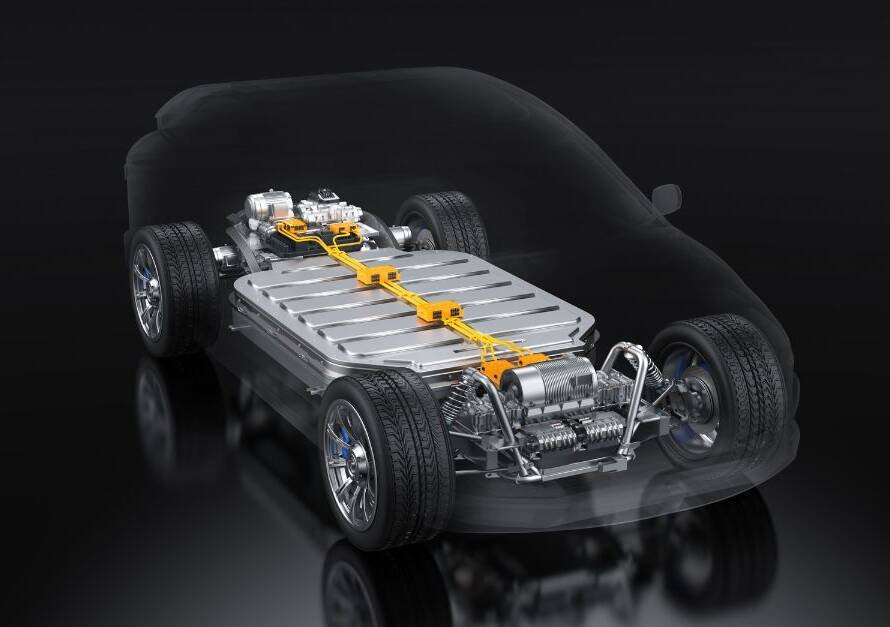
Since batteries are one of the most important and expensive parts of an EV’s total cost, this is an additional method of reducing production costs. This will put pressure on component manufacturers to either lower the cost of the current grades they provide to automakers or introduce a new variant that is less expensive while maintaining the same performance as earlier grades.
Battery manufacturers can reduce the number of advanced features in their batteries or use lower-quality materials. If these inexpensive, subpar batteries are used, the overall performance of the EVs may suffer. Demand has already dropped dramatically as a result of the ongoing global tariff tensions, and this decline is expected to continue. Future EV models might have shorter lifespans, slower charging times, or lower driving ranges, which would reduce their market appeal and possibly affect the demand for EVs as a whole.